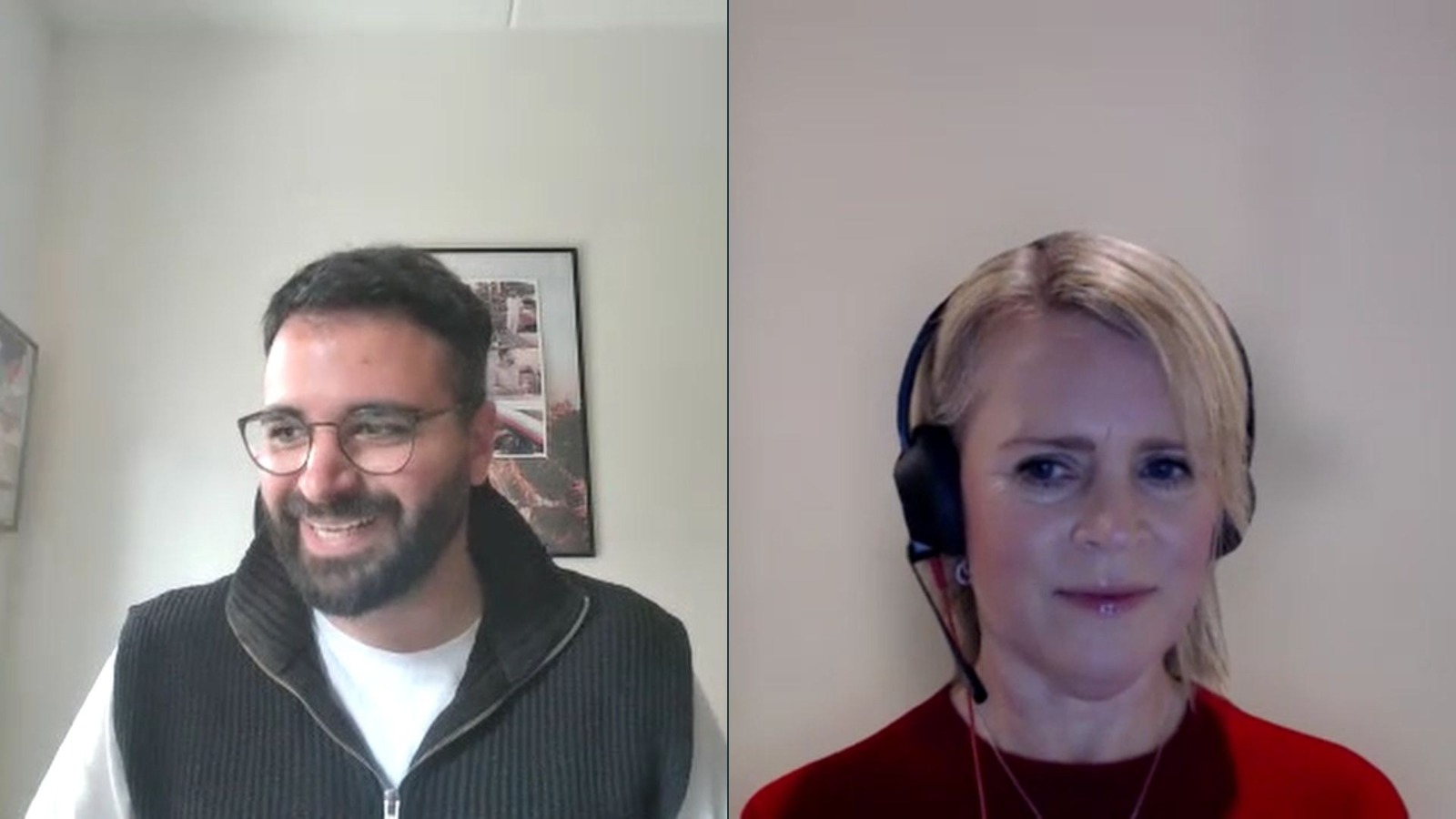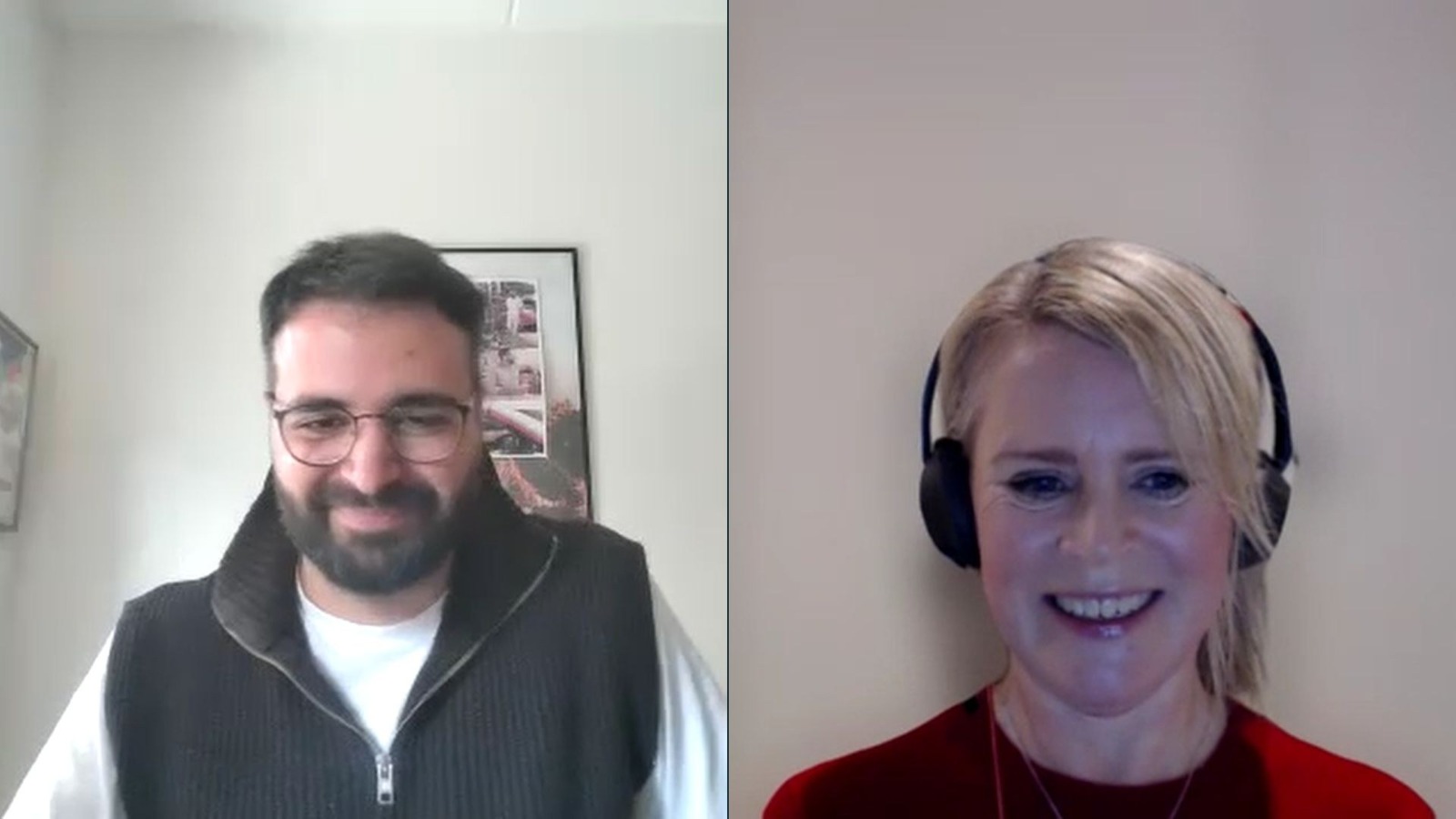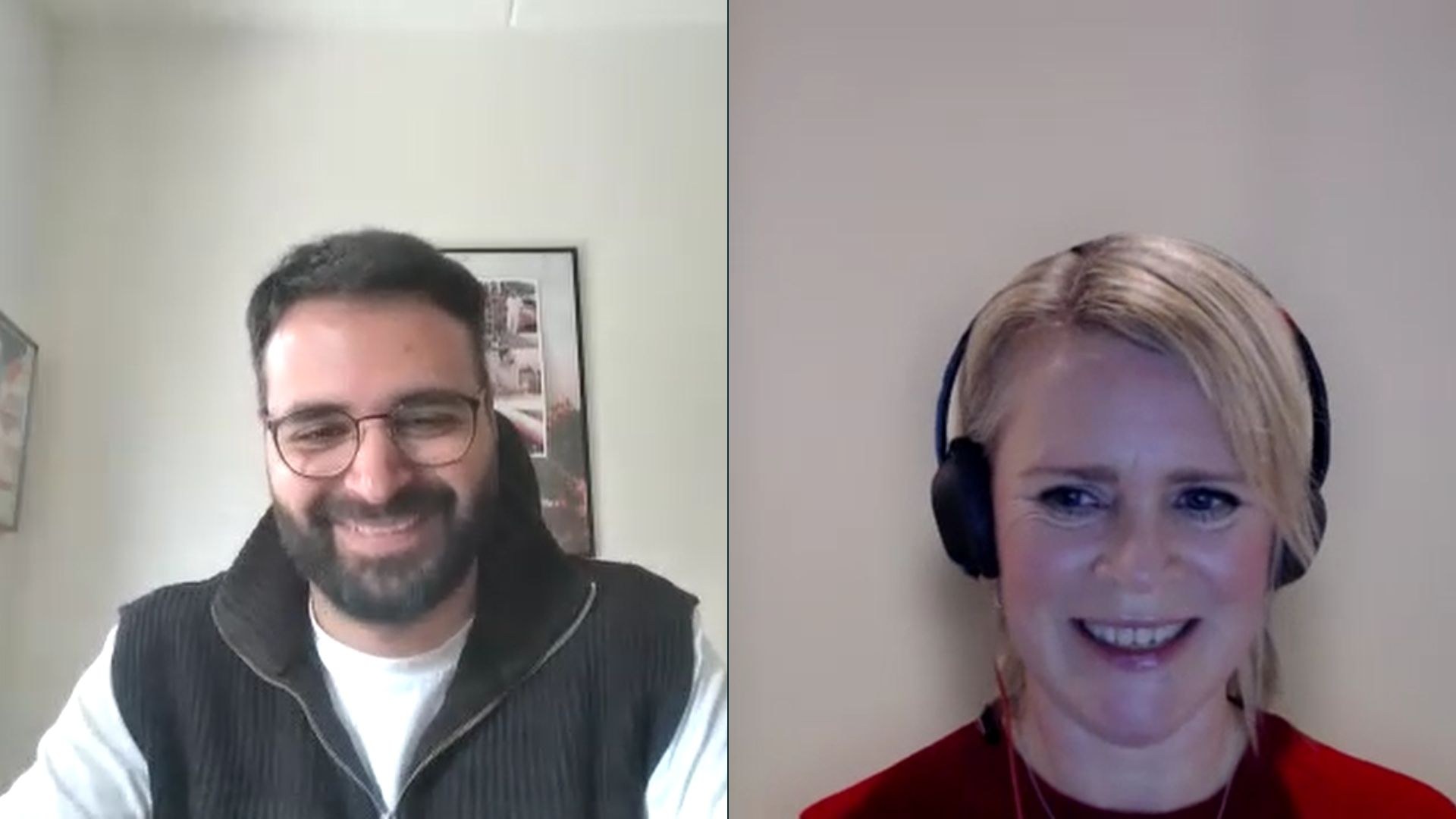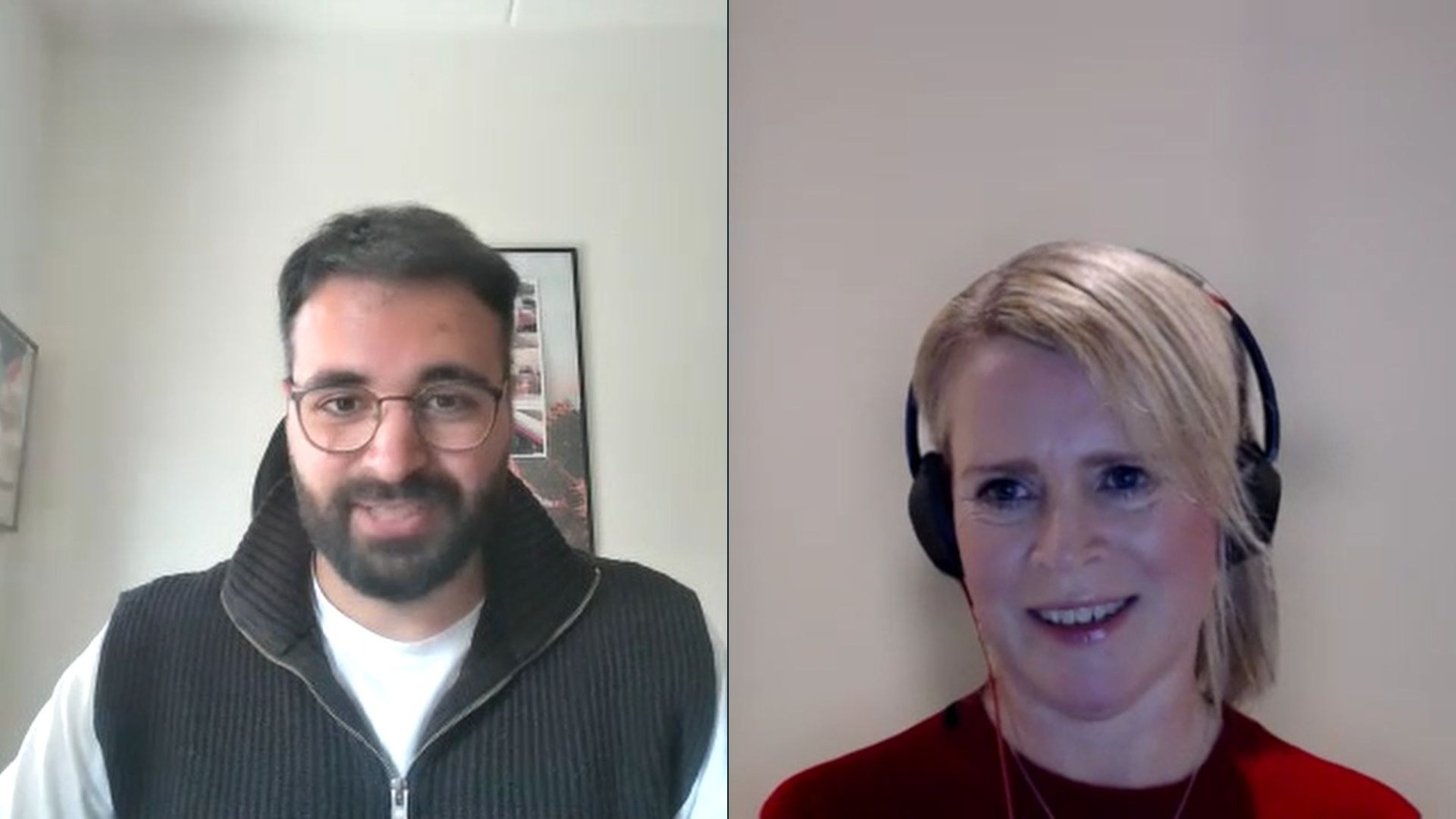
A family, a small town, and the boy who didn't look Danish
Some identities are given to us. Others we decide for ourselves.
1 min read by Pip Baume
Daniel Lund grew up in a small Danish town — around 2,000 people, the kind of place where everyone knew everyone. It was a childhood he describes with warmth: safe, secure, full of love. And within his family, adoption was never a secret, never a whispered thing. It was simply part of the story.
But outside the family unit, the questions eventually began.
The boy who didn’t look Danish
Denmark has a certain look - often blonde, often light-skinned. Daniel didn’t fit that mould. In a small town, he stood out.
In his early school years, though, it wasn’t really a thing. There were no complications, no moments that made him feel different in a difficult way. It was later - in his late teens, when he went to university - that his difference started to become something to navigate.
The only thing you want is to fit in and be a part of the group, he reflects. And I didn’t fit in because I looked different.
But over time, something shifted. The comments came often enough that eventually they lost their sting. He grew into himself. He stopped caring.
Yeah, okay, I look like this. And that’s the way it is.
A family unit built to withstand the outside world
What made the difference, Daniel believes, was the environment his adoptive parents created at home. Diversity wasn’t discussed as diversity - it was simply normalised. There was no ‘different’ to overcome inside the family. The family unit itself, in all its combinations, was the point.
They were really good at creating an environment where it was okay to be us. It was okay to be this combination of a family unit. And we could kind of take whatever the rest of the world had against that - as a unit.
He sees the same sense of peace in his older sister, also adopted from Hungary. Neither of them feels a strong pull to look beyond the family they were raised in. And Daniel thinks he knows why.
I really feel loved in the family that I am in. I see my parents as my parents. I don’t have any need to find another set of parents. I think I’m really lucky in that aspect.
The decision he still remembers vividly
There was a moment - early in his life - when Daniel made a decision that has shaped everything since.
Adoption would not be his identity.
He wouldn’t walk into a room and say, “My name is Daniel. I’m adopted.” It’s not that he hides it - he speaks openly about it whenever it comes up. In fact, he says people who’ve known him for a year or 2 are often surprised when it surfaces in casual conversation.
“You’re adopted? I didn’t know that.”
That’s the point. Adoption is part of his story, but not the frame around it.
Why should I have that identity? I can’t change anything. It’s done. It is what it is. I can only look forward and look at who I want to be in life.
The question that lingers
There are still things he wonders about. The biggest one, he admits, is simply: why?
Why couldn’t they keep him?
But even that question, he says, doesn’t demand an answer strong enough to change the shape of his life. Because knowing the why wouldn’t change the what. The story is the story. And Daniel has already decided who he is inside of it.
What comes next
In Part 3, we explore Daniel’s evolving thoughts on nature vs. nurture - how he was shaped by Danish values, and how he’s forming his own. He reflects on legacy, purpose, and the pull toward leaving the world a better place - something he suspects may be tied, in some way he can’t quite explain, to the origins he cannot remember.
🎥 Watch Part 2 now
🎬 Daniel Lund Pt.2: Adoption doesn’t define me is now live on the Kindred Ponderings YouTube channel.
Join the conversation
Are you an adoptee who’s decided your adoption doesn’t define you? Or someone whose family made difference feel like the most ordinary thing in the world? We’d love to hear from you.
Daniel’s story is shared with his permission as part of a 4-part series on Kindred Ponderings.
Pip x