Adoption in Australia: Then and now (1971 vs 2024–25)
Why did adoption in Australia drop by 98% since 1971?
1 min read by Pip Baume
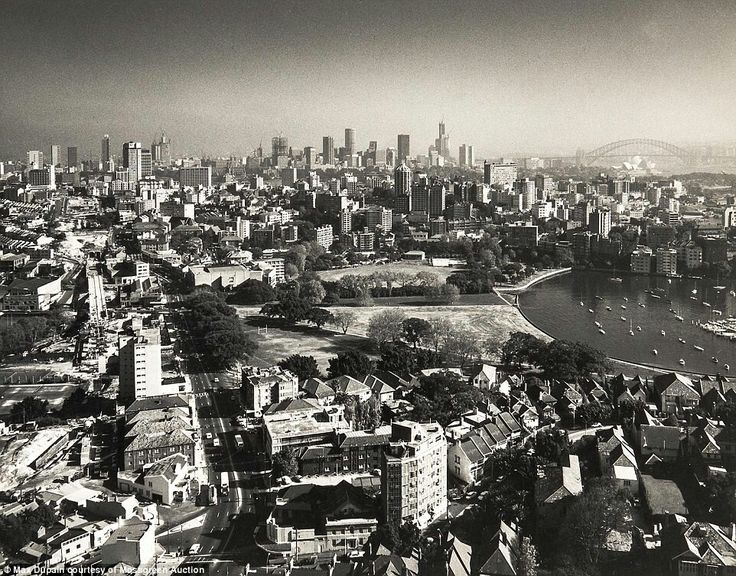
I was adopted in Sydney NSW in 1971 – a decade when adoption in Australia looked hugely different to what it does today. When I look back at the numbers, policies, and practices, it’s clear that adoption has changed significantly over the past 50 years.
Let’s take a look at how adoption in the 1970s compares to adoption now.
1971-72: A different era of adoption
Between 1971 and 1972, almost 10,000 children were adopted in Australia (AIHW Adoptions Australia 2024-25 report) – the highest number ever recorded. Adoption was far more common, and the social, legal, and cultural landscape surrounding it was very different to today.
This period is often referred to as the ‘forced adoption era.’ The 2012 Senate Inquiry into Commonwealth Contribution to Former Forced Adoption Policies and Practices (Research on forced adoption) found that forced adoption and the removal of children was widespread. It was “particularly common between 1951 and 1975,” with an estimated 140,000 to 150,000 total adoptions in that period. Many mothers – mainly young, single, or unwed women – were coerced or pressured into relinquishing their babies under circumstances that were unethical and harmful. In 2013, then–Prime Minister Julia Gillard delivered the National Apology for Forced Adoptions (Forced adoption), formally recognising this painful legacy.
It’s important to understand that not every adoption during this era was forced. Some birth mothers or birth parents made considered, informed decisions. These adoptions were arranged within families, through trusted networks or via unofficial channels.
Every adoption story from this era is unique.
The weight birth parents carried
Even if it wasn’t a forced adoption, for many birth mothers, fathers or parents, relinquishing a child was a heart-wrenching decision – one made under difficult circumstances and carried quietly for the rest of their lives.
Although, public conversation tended to focus on birth mothers given the unique trauma many of them experienced, decisions about adoption weren’t always made by mothers alone. Sometimes it was a couple, or 2 individuals, or families, making the decision together. Some couples stayed together and went on to have more children later in life and keep them, while still carrying the loss of the child they had relinquished. Some birth mothers or birth fathers didn’t go on to have any more children.
Many birth fathers didn’t have their name recorded on the original birth certificate – by choice. Others were not aware or sure if they were the birth father. And some birth fathers wanted to be involved but were denied a voice – or, as Julia Gillard acknowledged in the 2013 National Apology (Forced adoption), “excluded from the lives of your children and deprived of the dignity of recognition on your children’s birth records.”
Many birth parents made the decision they believed was in the best interests of their child. They hoped their baby would have a better life – more stability, more opportunity, more than they felt they could offer at the time.
But hope is not the same as knowing. And so many were left wondering: Did my child have a better life? Was it the right decision?
Unless a reunion happens, that question can remain unanswered for a lifetime. It’s a kind of grief that doesn’t always have a name.
Why did adoption numbers fall so dramatically?
The election of the Whitlam Government in December 1972 marked the start of a period of immense social and legislative change in Australia. Several reforms in quick succession reshaped the lives of women and dramatically reduced the number of adoptions.
Just weeks after taking office, on 8 December 1972 (PM Transcripts - Press Statement No. 6, 8 December 1972), the Whitlam Government lifted the 27% sales tax on oral contraceptives and announced that oral contraceptives prescribed by a doctor would become available as pharmaceutical benefits – giving women, for the first time, affordable access to reliable contraception.
In May 1973, the Whitlam Government introduced the Supporting Mother’s Benefit (Find & Connect - Supporting Mother’s Benefit), providing income support to single mothers for the first time. According to Find & Connect, this payment “made it possible for many single mothers to keep their children and played a significant role in adoption rates declining dramatically in Australia after 1973.”
Combined with changing social attitudes, declining birth rates, and the reducing stigma of single parenthood, these reforms gave women – for the first time – genuine financial, legal, and reproductive autonomy. Adoption was no longer the default outcome for an unplanned pregnancy.
The shift toward open adoption
From the mid-1980s, Australian states began amending adoption legislation to reflect the growing recognition that secrecy in adoption could be harmful. The earlier era of ‘closed adoption’ had been based on the ‘clean break’ theory (AIHW - Adoptions in Australia over time, Post-war period: Closed adoptions and forced separation) – which assumed early separation of mother and baby would safeguard the welfare of the child.
Open adoption legislation in the 1980s and 1990s reshaped how adoption was practised.
In NSW, the Adoption Information Act 1990 was a turning point. It gave adoptees and birth parents greater access to information, including original birth certificates. It was later replaced by the Adoption Act 2000 (NSW DCJ - Reunion and Information Register), which remains in force today.
Today, NSW also issues Integrated Birth Certificates (NSW DCJ - Finding information on past adoptions) – a legal document showing both the birth and adoptive families of an adopted person – supporting every adopted child’s right to know their origins.
My own search
I didn’t have access to my original birth certificate until after the laws changed in 1990. Before that, the system was closed – and even after the laws changed, it wasn’t straightforward.
The Adoption Information Act came with contact vetoes. If you went through official channels and discovered your birth parent had lodged a veto, you couldn’t legally contact them. But if you found them on your own – outside official channels – you could make contact, because you didn’t officially know whether they had a veto.
There were limited paths available:
- The ‘Adoption Triangle’ – now known as the Reunion and Information Register (RIR) (NSW DCJ - Reunion and Information Register), was originally established in 1976 as the Adopted Persons Contact Register. It’s a passive register. Which means if both adoptee and birth parent register, a match is created. I registered in 1986 but there was no match. Despite this, more than 30,000 people have joined, and over 6,000 reunions have been facilitated (Reunion and Information Register).
- Non-identifying information – adoptees could apply for information that didn’t directly identify their birth family. In my case, this included where I was born, the date and time of my birth, the type of birth, and limited information about my birth family.
- Searching independently – this was the path I ultimately took. With the help of my dad, I found my birth mother 1990. It took us 7 years to find her. And it took me 15 years to find my birth father.
Although I knew where my birth mother was in 1990, I didn’t reach out to her immediately. It was daunting and I was worried she wouldn’t want to meet me. When the 1990 laws came into effect I wanted to get a copy of my original birth certificate, but I was hesitant to use the legislation because of the contact vetoes. There was something uncomfortable about a system that could give you information but take away your ability to act on it.
I ended up reaching out my birth mother independently in 1991 – without knowing if she had lodged a contact veto. Thankfully it all went very well. I applied for my original and amended birth certificates in 1999. My original birth certificate didn’t include my birth father’s name.
It’s worth mentioning that searching for a birth father can be really difficult for adoptees. The majority of birth fathers were never named on their child’s original birth certficate – a reflection of “unfortunate practices at the time of the adoption” (NSW DCJ - Access to information for birth fathers). For adoptees who already grew up with unanswered questions, or limited information, this adds another layer of uncertainty about their origins.
2024-25: Adoption today
Fast forward to 2024-25 – the landscape is almost unrecognisable.
- 155 adoptions (AIHW Adoptions Australia 2024-25 report) were finalised in Australia – the lowest number on record
- 136 were domestic adoptions (17 local and 119 known child adoptions)
- 19 were intercountry adoptions – from a small number of partner countries (Intercountry Adoption - Partner countries) including Chile, Colombia, India, the Philippines, South Korea, Taiwan, and Thailand.
Intercountry adoptions have declined significantly – from a peak of 434 in 2004-05 to 19 in 2024-25, a 96% decline. This in mainly due to long processing times (a median wait of around 4 years) and ethical considerations.
Compared with the peak of 9,798 adoptions in 1971-72, adoption numbers have fallen by 98%.
Final ponderings
When I think about being adopted in the 1970s in Sydney, I realise that my story is one of thousands – each one different, each one shaped by the people, policies, and circumstances of the time.
The shift from closed to open adoption – and the dramatic fall in adoption numbers – reflects a society that has changed. I hope that it’s a society that is still learning and evolving to better support birth mothers, birth fathers, adoptees, and families.
The numbers tell one story. The lived experiences – in all their variety – tell many more. All of them matter.
In the coming weeks, I’ll be diving deeper into each part of this story – from the numbers and the legislation to the personal experience of searching for a birth family. Follow along, or subscribe to be notified when each new post is live.
References
- Australian Institute of Health and Welfare (2025), Adoptions Australia 2024–25
- Australian Institute of Health and Welfare (2023), Adoptions in Australia over time
- Senate Community Affairs References Committee (2012), Commonwealth Contribution to Former Forced Adoption Policies and Practices
- Department of Social Services, Research on forced adoption
- Julia Gillard (2013), National Apology for Forced Adoptions
- Find & Connect, Supporting Mother’s Benefit
- E.G. Whitlam (1972), Sales Tax on Oral Contraceptives — Press Statement No. 6
- NSW Department of Communities and Justice, Reunion and Information Register (RIR)
- NSW Department of Communities and Justice, Finding information on past adoptions
- NSW Department of Communities and Justice, Access to information for birth fathers
- Australian Government, Intercountry Adoption — Partner Countries
For support: Forced Adoption Support Service – 1800 21 03 13
Pip x